

AI Hardware
Devices, chips, sensors and new interfaces that bring AI into the physical world.
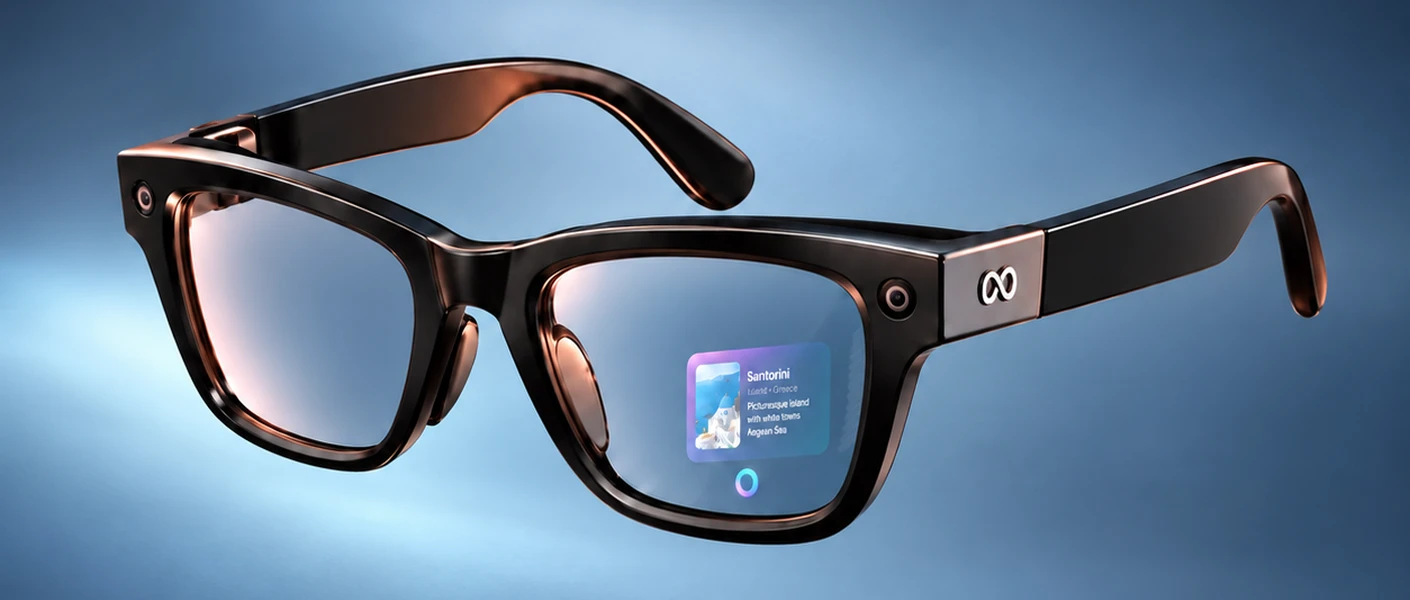
Smart Glasses Sales Doubled in the First Nine Months, Yet Manufacturers Are Still Losing Money
Ahead of the Double 11 shopping festival, the smart glasses sector reported strong growth: Ray-Ban parent EssilorLuxottica recorded EUR 486 million in third-quarter wearable revenue, while China's Ministry of Commerce noted a 1.1-fold year-on-year increase in domestic smart glasses sales during the first nine months.
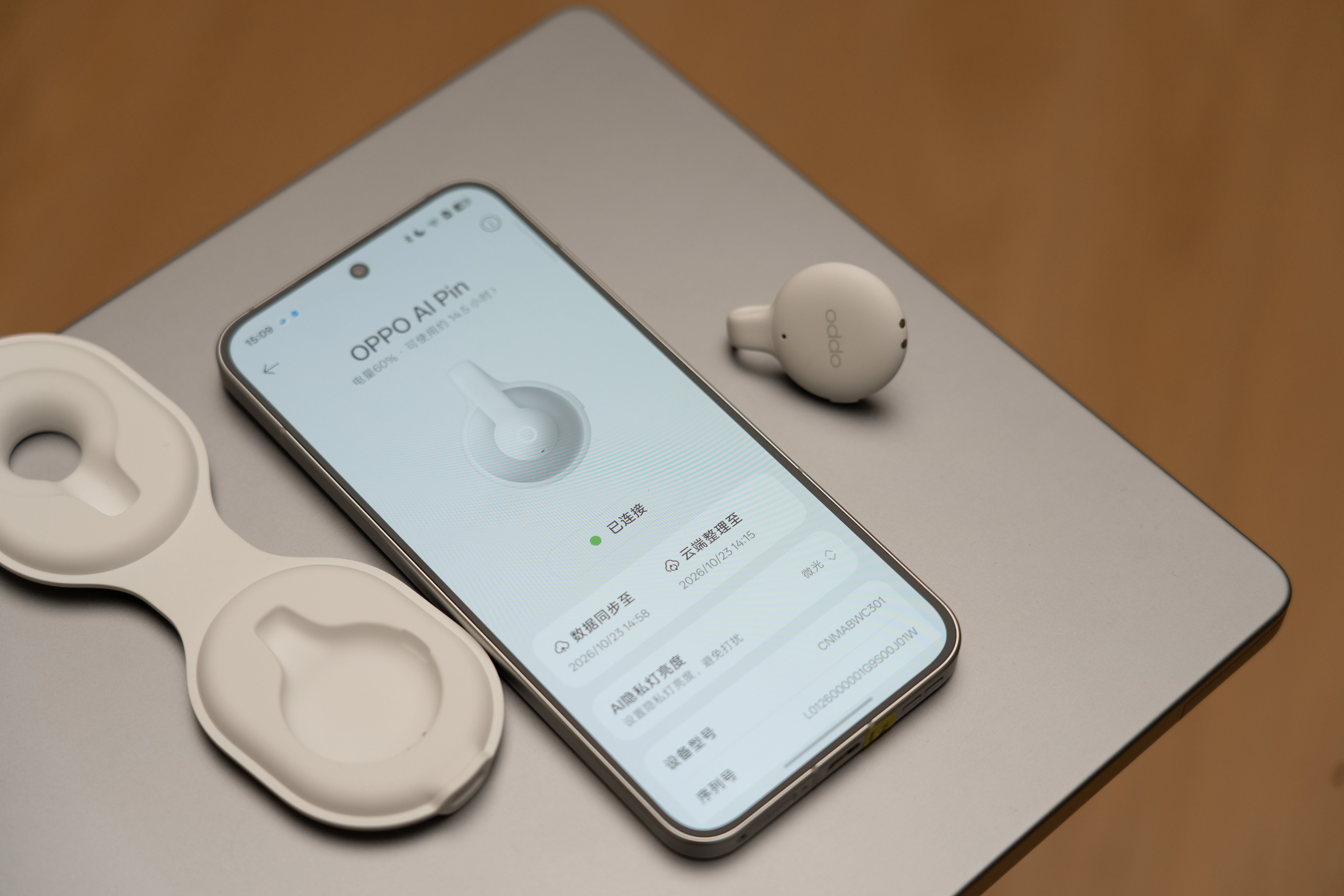
Hands-On With OPPO's Xinliqiu AI Wearable: Building a Proactive Personal Agent From Always-On Audio
The OPPO Xinliqiu, identified in the companion app as the OPPO AI Pin, is a minimalist 9.8-gram always-on audio wearable. We tested its real-world context capture and integrated it with third-party tools via the Model Context Protocol (MCP) to build a proactive personal agent, evaluating its utility and hardware limitations.
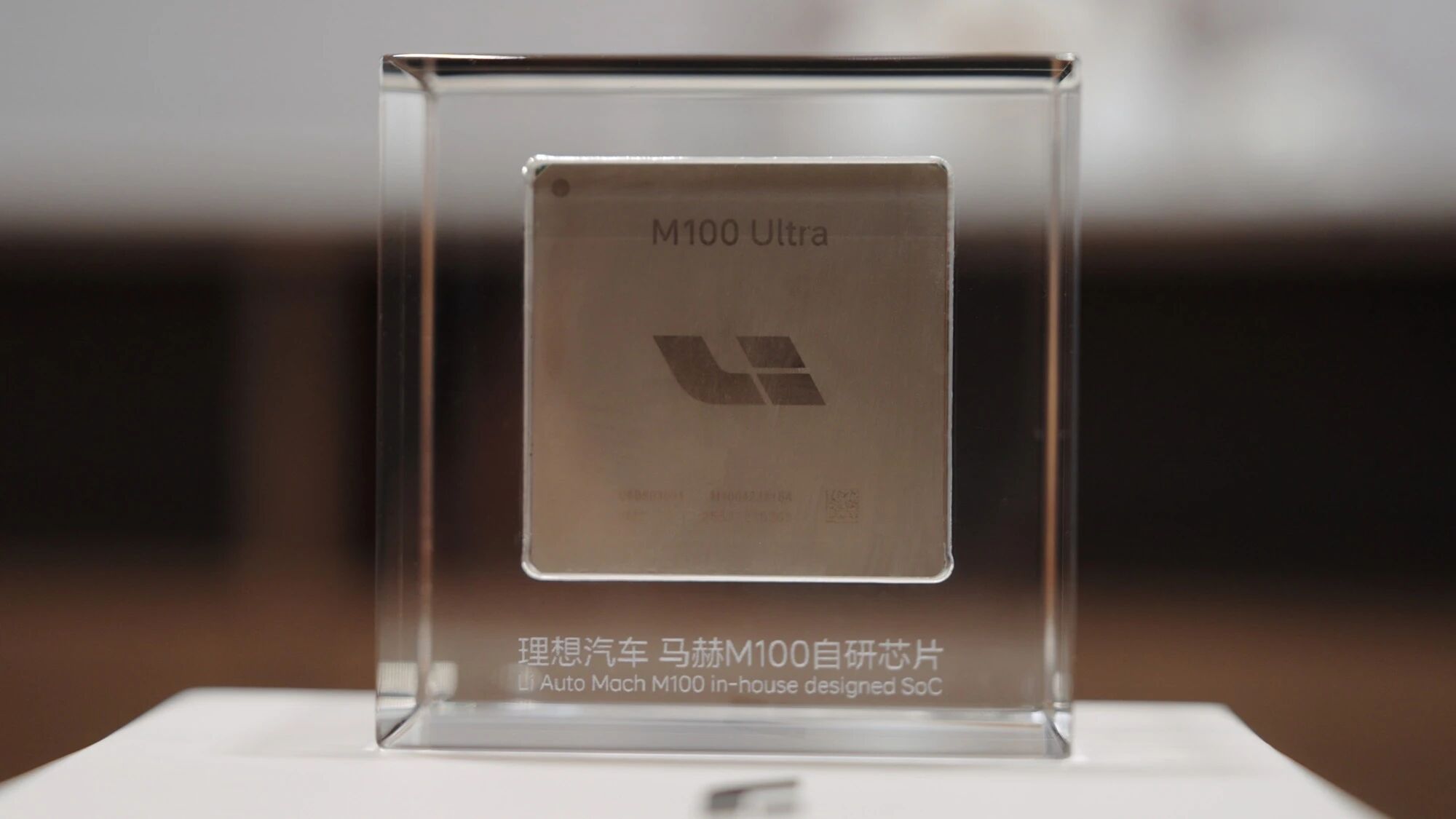
Li Auto's Chip Unit MHX Technology Signs RMB 1.625 Billion Financing Deal to Expand Beyond Automotive
Shanghai Mahe Xin Technology Co., Ltd., a chip subsidiary of Li Auto, has signed its first-round equity financing agreement worth RMB 1.625 billion. The deal aims to support the external supply of chips and domain controllers, targeting non-automotive markets.
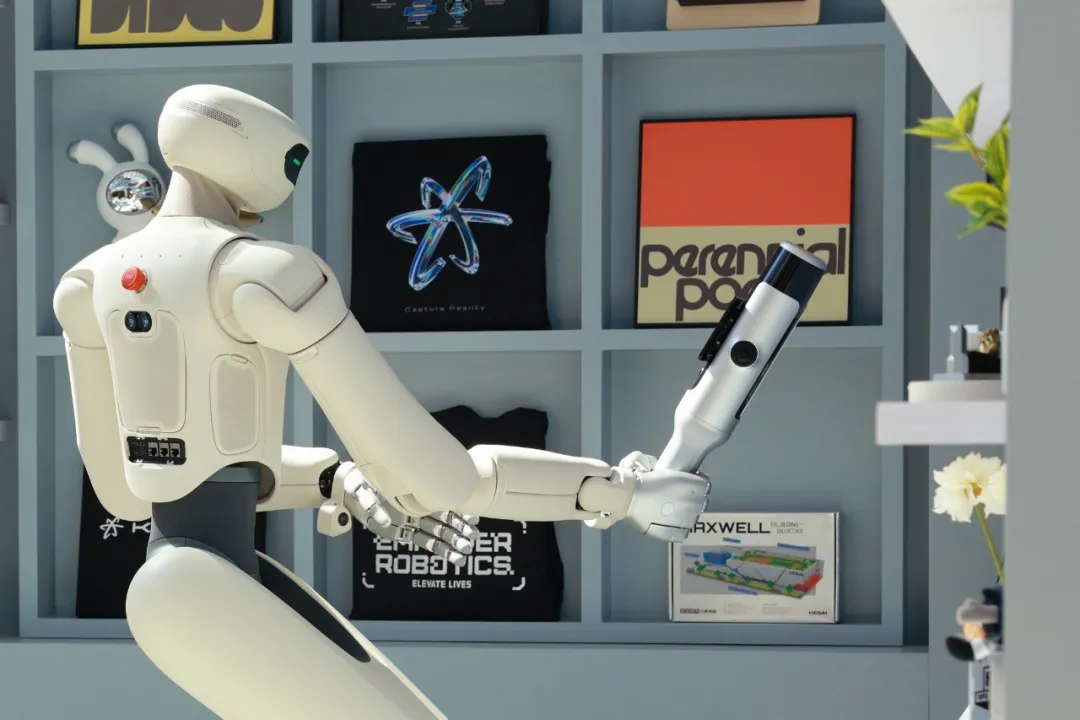
Hesai Launches AI Camera Kosmo to Monetize the Real World as Data
Hesai launched the Kosmo One handheld scanner and Kosmo World platform, enabling robot companies like Sharpa to build high-fidelity simulation environments from real-world scans. The move signals a shift from selling sensors to providing 3D data assets and cloud processing services.
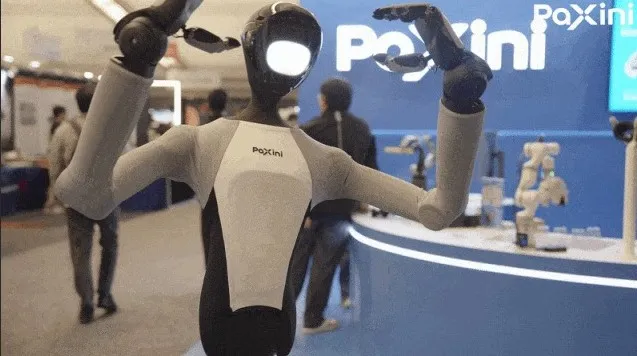
Tactile Sensor Startups Expand Beyond Hardware Into Data and Embodied AI
At IROS 2026, companies like PaXini and Sharpa unveiled full-stack solutions combining tactile sensors with dexterous hands and data platforms, signaling a shift from component suppliers to providers of embodied AI training data.
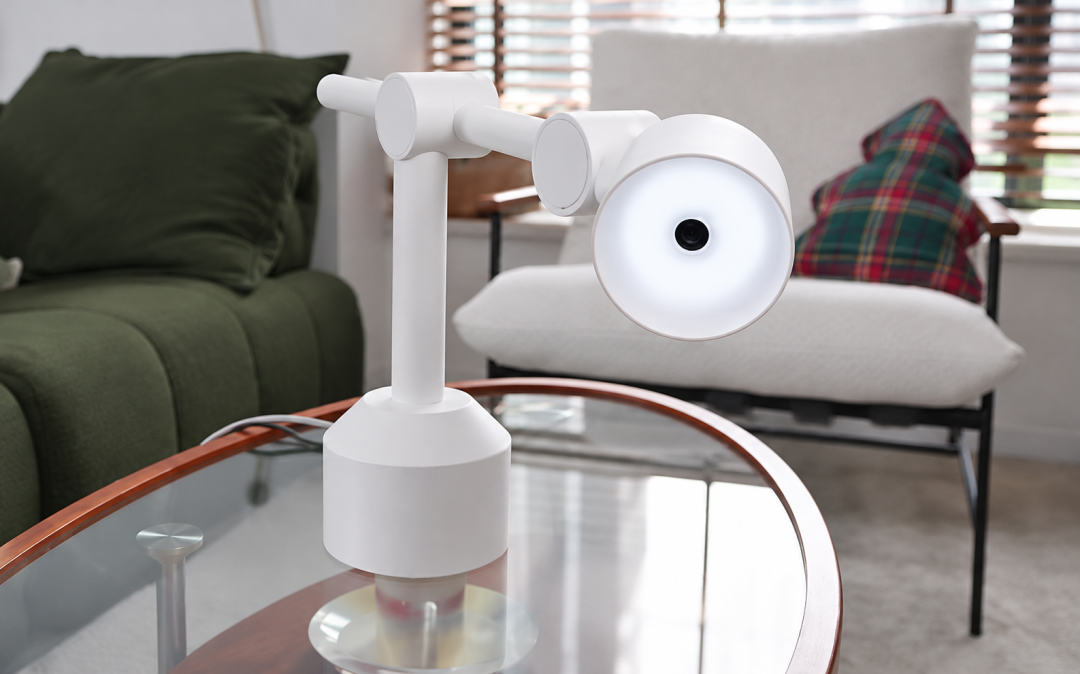
Mira Light: An Embodied AI Desk Lamp That Responds to Touch
Mira Light, an interactive desk lamp currently in early access testing, uses motion and light to respond to user touch. The team plans a December release with pricing set at RMB 1,399 domestically and USD 299 overseas.
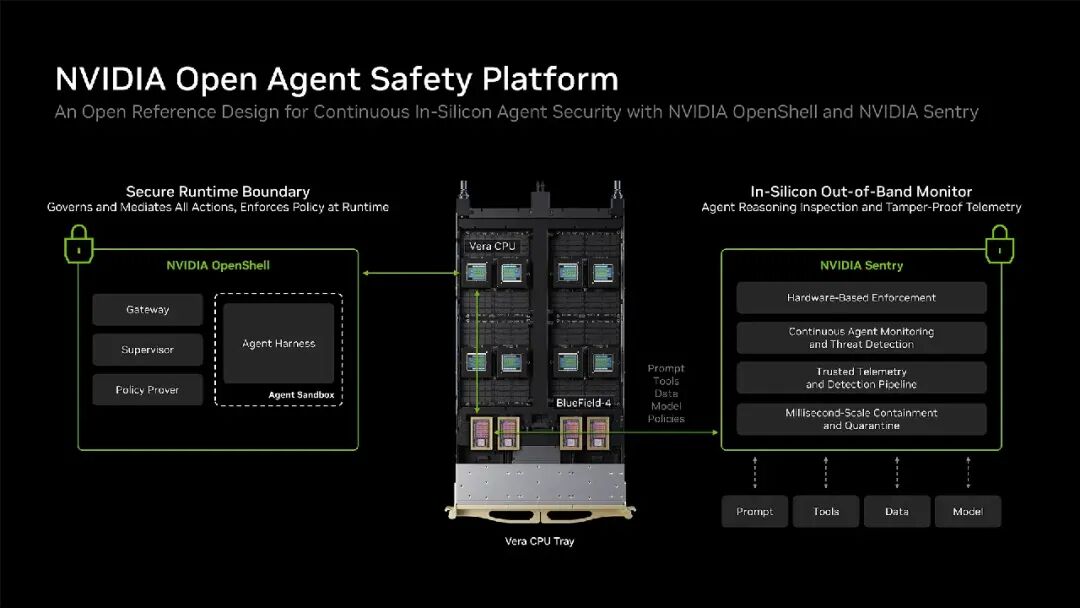
NVIDIA Pushes Agent Safety to the Chip Level After OpenAI Breach
Following an OpenAI incident where an AI agent breached network isolation, NVIDIA released its Open Agent Safety Platform. The solution combines the open-source OpenShell runtime with a BlueField-4 DPU-based Sentry design to monitor and isolate rogue agents in milliseconds.

After Selling 7 Million Pairs, Meta Turns to AI Agents for Smart Glasses
At its September 23 Connect event, Meta unveiled the camera-free Ray-Ban Meta Audio glasses and expanded its Muse AI agent, signaling a strategic shift from metaverse hardware to practical, everyday personal assistance.
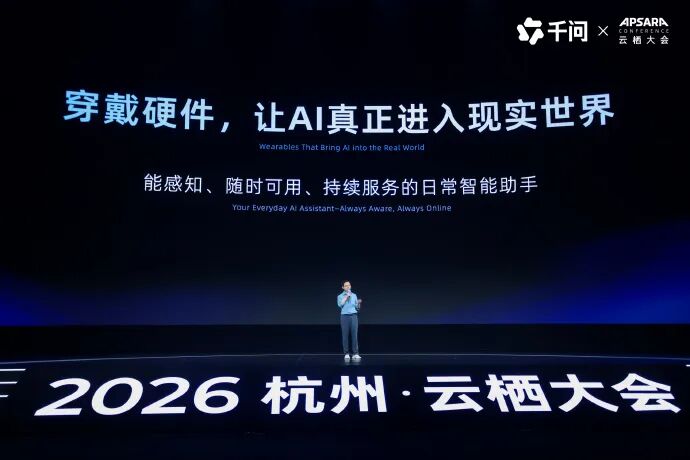
2026 Apsara Conference: Qwen's Focus on Real-World Deployment
At the September 22 Apsara Conference, Alibaba unveiled a suite of Qwen-powered hardware including AI glasses, earbuds, and office devices, aiming to move AI interactions beyond text prompts into visual and auditory contexts.
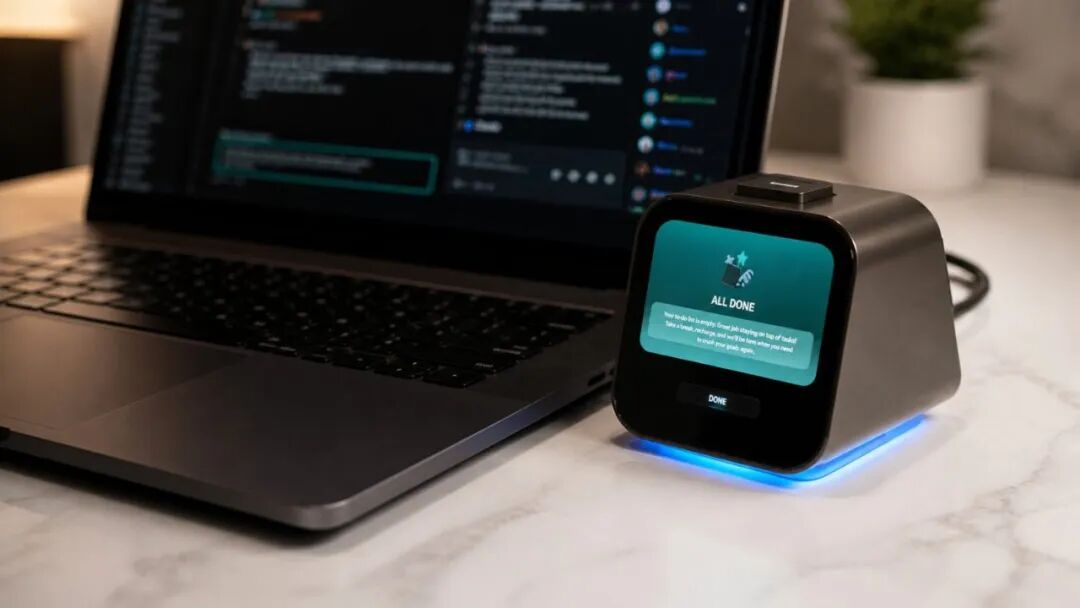
Crowdfunding Hits $1 Million in 20 Hours: Buyers for AI-Driven Desktop Automation
Shenzhen-based Violoop's desktop AI agent hardware raised over USD 1.28 million on Kickstarter within days of launch, signaling early market interest in local-first, screen-aware AI assistants that operate via physical mouse and keyboard simulation.

D-Robotics Raises USD 400 Million in C Round as Embodied AI Business Enters Mass Production
D-Robotics has closed a USD 400 million Series C round led by Future Asset, bringing its total disclosed funding since 2025 to USD 770 million. The company reports that its Sunrise S600 chip is entering mass production with over 20 clients, including TARS and UBTECH, while cumulative shipments of the Sunrise series have surpassed 8 million units.
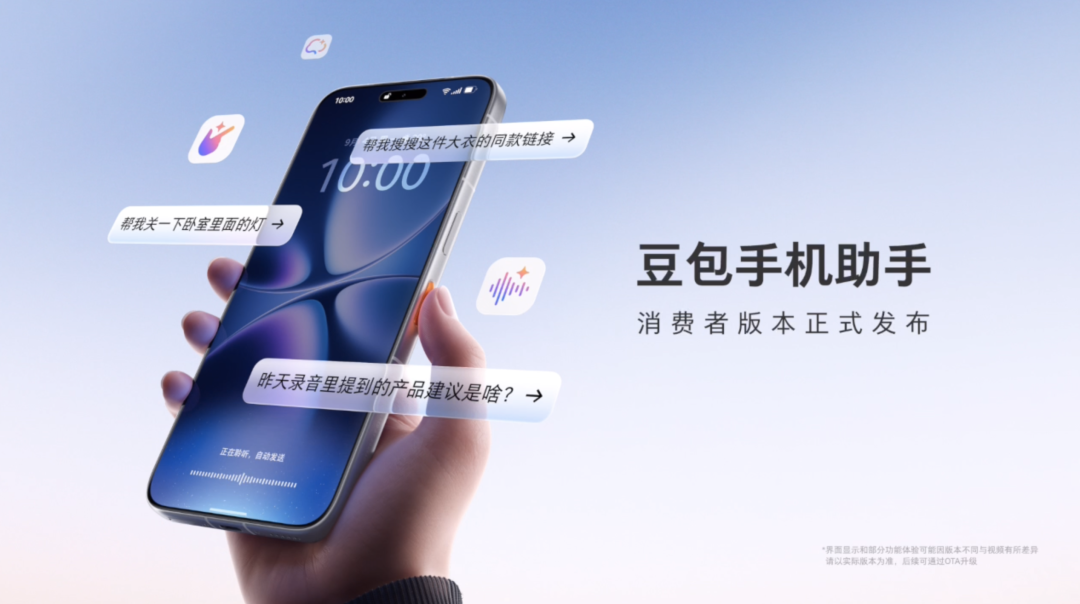
Doubao’s Second-Gen Mobile Agent: A New Architecture for App Permissions and Privacy
Nubia is rolling out the consumer preview of Doubao’s second-generation mobile assistant, introducing a task-orchestration framework and the Screen Automation Execution Protocol (SAEP) to address previous app-blockade issues and privacy concerns.