

Interviews
Conversations with founders, researchers and engineers.
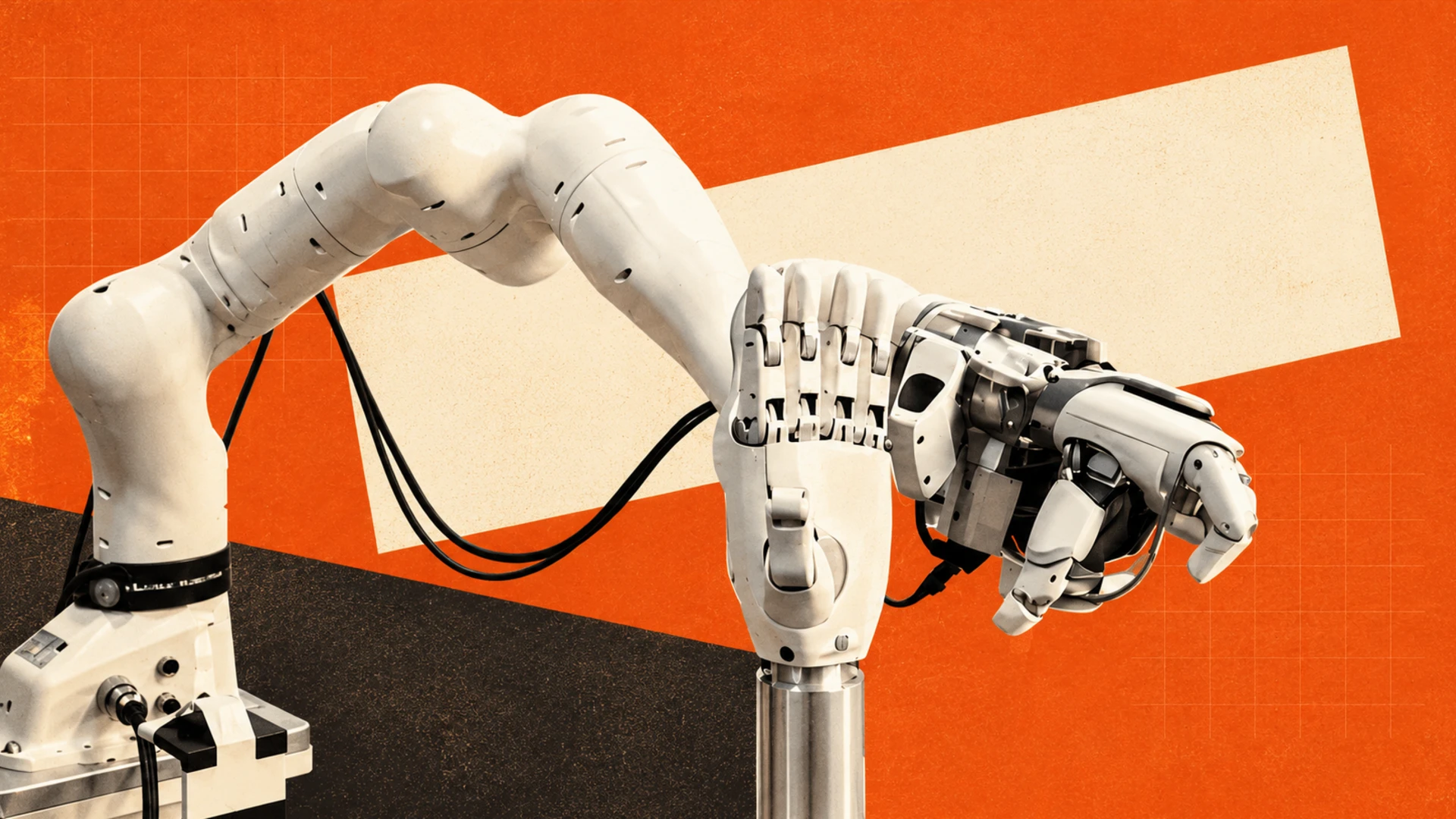
AGILINK Cuts Dexterous Hand Failure Rate to 0.5% for Industrial Deployment
At AgiBot's Innovation Day on October 29, AGILINK demonstrated a production testing station via a cross-city link, where a dexterous hand used a screw gun to test another unit awaiting factory release. At the company's joint manufacturing base with Wolong in Shaoxing, the robot executes 72 operational steps, including material loading, barcode scanning, clamping, screw tightening, equipment activation, and unloading.

Nature Will Debuts Natura-1, a 50B-Parameter Embodied Foundation Model Trained on One Million Hours of Human Experience
On October 13, Nature Will—founded by Ding Ning, assistant professor and doctoral supervisor at Tsinghua University's Department of Electronic Engineering—released Natura-1, its first general-purpose embodied foundation model, along with a technical report. The 50-billion-parameter mixture-of-experts model was pretrained on more than one million hours of first-person human video and can drive a 20-DOF dexterous hand within a 100-millisecond control loop.
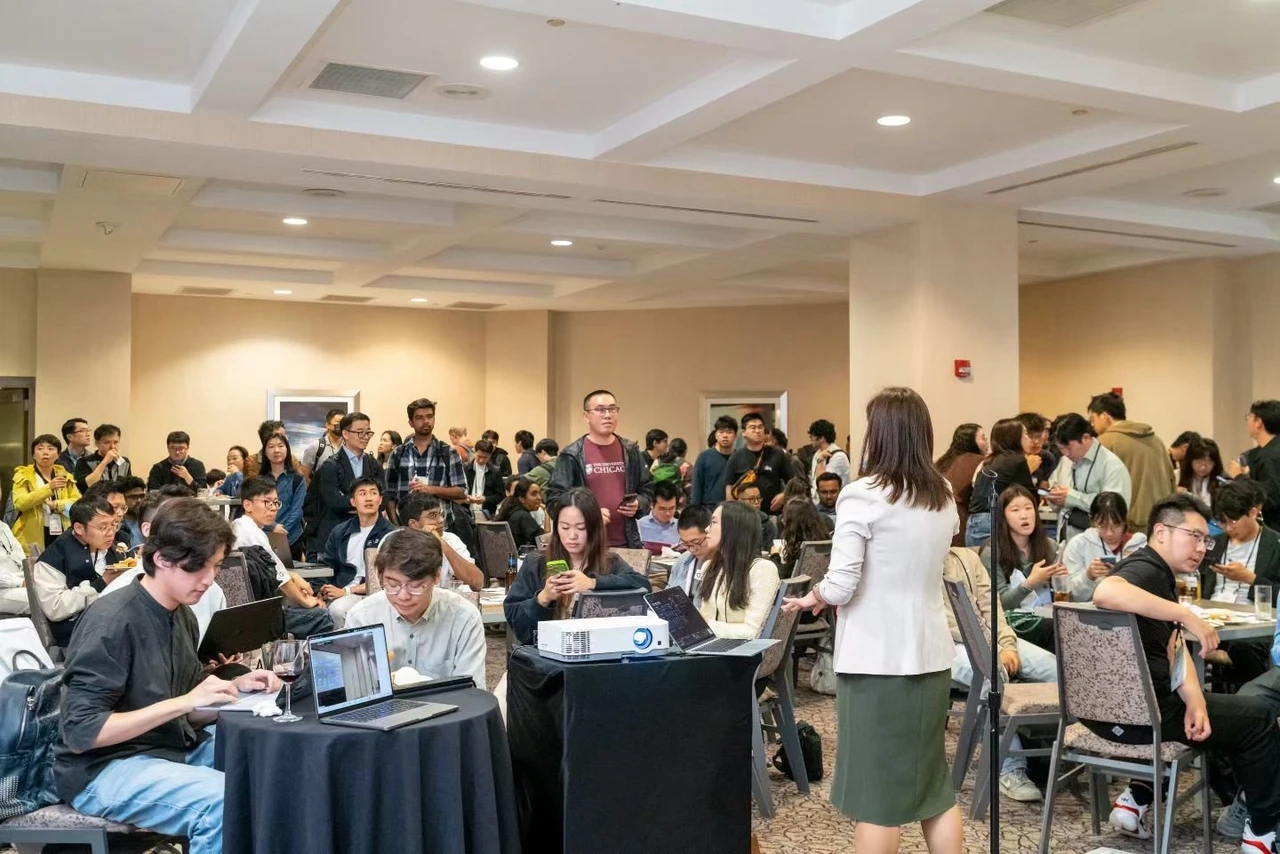
In Conversation with Saturday Robotics Founder Junfan Zhu: “By the Time a Robotics Paper Is Published, Its Approach May Already Be Out of Date”
How Junfan Zhu is building a cross-disciplinary robotics research community in the Bay Area while working on better ways to evaluate AI systems in the physical world, and why he thinks robotics has yet to have its benchmark moment.

PrimeBot’s Hao Dong: Lowering Post-Training Costs for Home Robots
At IROS 2026, PrimeBot and Peking University hosted a dual-arm manipulation challenge. Chief Scientist Hao Dong discusses how post-training improves reliability in home environments and introduces HIL-UMI to lower data collection costs.
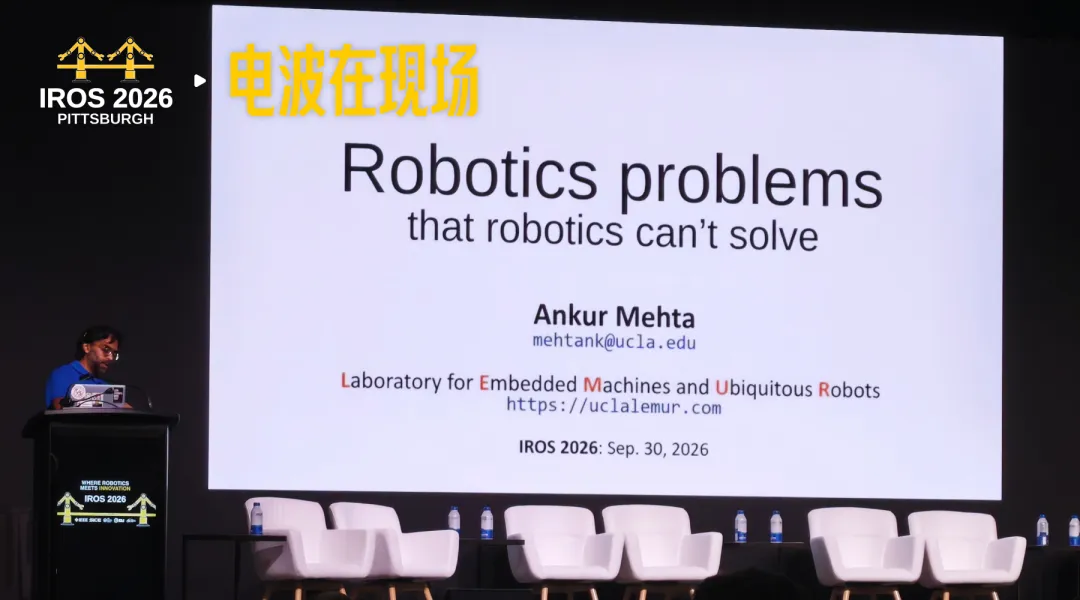
IROS 2026: UCLA's Ankur Mehta on Robotics, Public Trust, and Resource Constraints
In a keynote at the IEEE/RSJ International Conference on Intelligent Robots and Systems, Ankur Mehta highlighted how shrinking research funding, talent shortages, and public anxiety over AI and robotics are reshaping the field. He urged researchers to engage directly with communities to address concerns about equity and responsibility.

How StageCraft Fixes VLA Failures by Adjusting the Environment, Not the Model
42HOW Robotics speaks with Prabin Rath, co-author of the IROS 2026 paper StageCraft, about how their method improves robot task success by adjusting environmental distractors rather than retraining models.

TacVLA: Activating Tactile Tokens Only Upon Contact for Robust Manipulation
In an interview at IROS 2026, co-author Heng Zhang discusses TacVLA, a contact-aware tactile fusion method that uses a gating mechanism to activate tactile tokens only during physical contact, improving VLA manipulation robustness without adding unnecessary computational overhead.

Purdue Team's IROS Best Paper Nominee: Active Palm and Multimodal Sensing in a Three-Finger Robot Hand
Yuhao Zhou and team from Purdue University present the VTAP Gripper, a three-fingered robot hand that achieves complex manipulation by making the palm active and multimodal. The design challenges the trend of adding fingers, proving that dexterity can come from effective use of existing contact surfaces rather than increased degrees of freedom.

Samsung Researchers Show Compressed VLA Model Outperforms Larger Teacher on Real Robots
Researchers from Samsung R&D Institute demonstrate that compressing a visual-language-action model's Transformer layers from 18 to 6 via knowledge distillation reduces inference latency by more than half while maintaining success rates, enabling faster real-world robotic deployment.
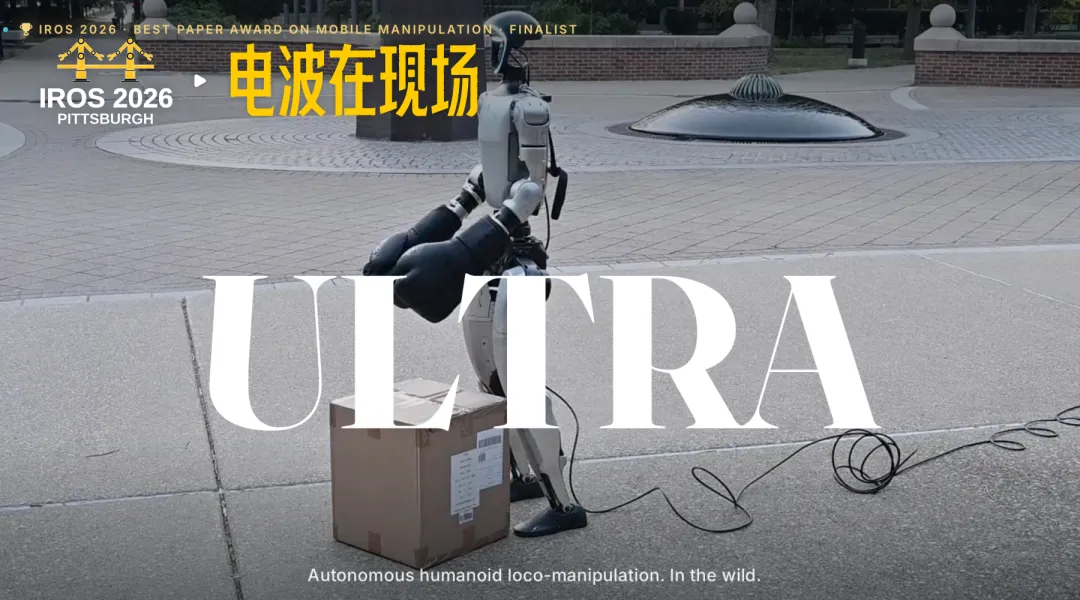
ULTRA: Toward Autonomous Whole-Body Movement and Manipulation
At IROS 2026, Xialin He and Sirui Xu from UIUC presented ULTRA, a unified multimodal control framework that enables humanoid robots to learn whole-body loco-manipulation through physical simulation and reinforcement learning.

IROS Best Paper Finalist: Helping Robots Detect Glass for Safer Navigation
42HOW Robotics interviews co-first author Yu Jingwen on the Southern University of Science and Technology team’s RANSAC-based framework that fuses depth foundation models with sensor data to enable safe robot navigation through glass obstacles.

RIMBOT Unveils Physical RSI Framework, Targets Industrial Validation
RIMBOT, a robotics startup founded in March 2026, is deploying its Physical Recursive Self-Improvement framework in industrial ICT testing lines. Co-founder Yuanxin Zhong explains why factories offer the necessary failure data and infrastructure to move beyond zero-shot generalization toward continuous real-world learning.