

Robotics
Robotics, embodied intelligence and real-world applications.
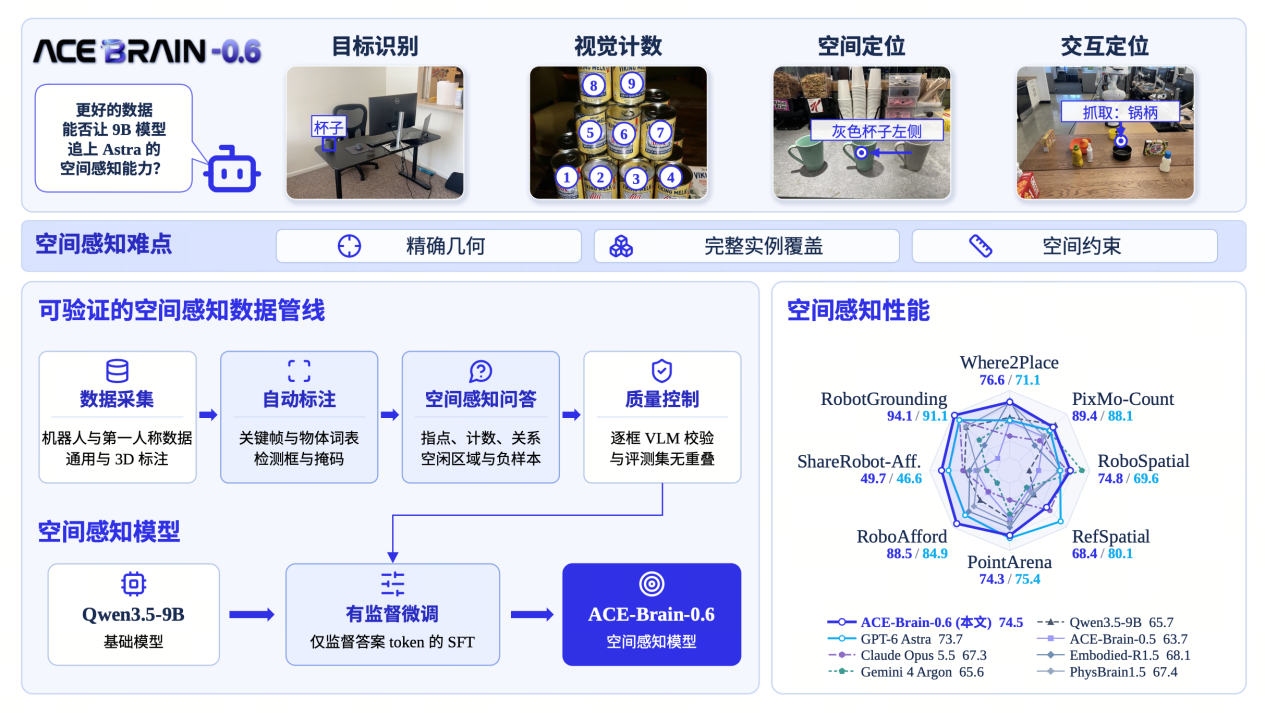
ACE Robotics Releases ACE-Brain-0.6, Outperforming GPT-6 Astra in Six Spatial Anchoring Tests
ACE Robotics has released the 9B embodied AI model ACE-Brain-0.6, which scored higher than GPT-6 Astra in six of eight visual spatial anchoring benchmarks. The team attributes performance gains to data expansion from 260,000 to approximately one million training samples.

AGIBOT X2 Provides Patient Guidance at Peking University People's Hospital, Logging Over 46,000 Interactions
AgiBot's patient guidance project with Ant A-Fu is operating at Peking University People's Hospital. By September 30, AGIBOT X2 had completed 46,686 interactions over 66 working days.

PrimeBot’s Hao Dong: Lowering Post-Training Costs for Home Robots
At IROS 2026, PrimeBot and Peking University hosted a dual-arm manipulation challenge. Chief Scientist Hao Dong discusses how post-training improves reliability in home environments and introduces HIL-UMI to lower data collection costs.

I-BFM: Unsupervised Reinforcement Learning Enables Robust Humanoid Interaction After Falls
Researchers from Tongji University and Tsinghua University introduce I-BFM, a behavior foundation model that uses forward-backward representation to allow humanoid robots to recover from falls and adapt to disturbances without re-planning trajectories.
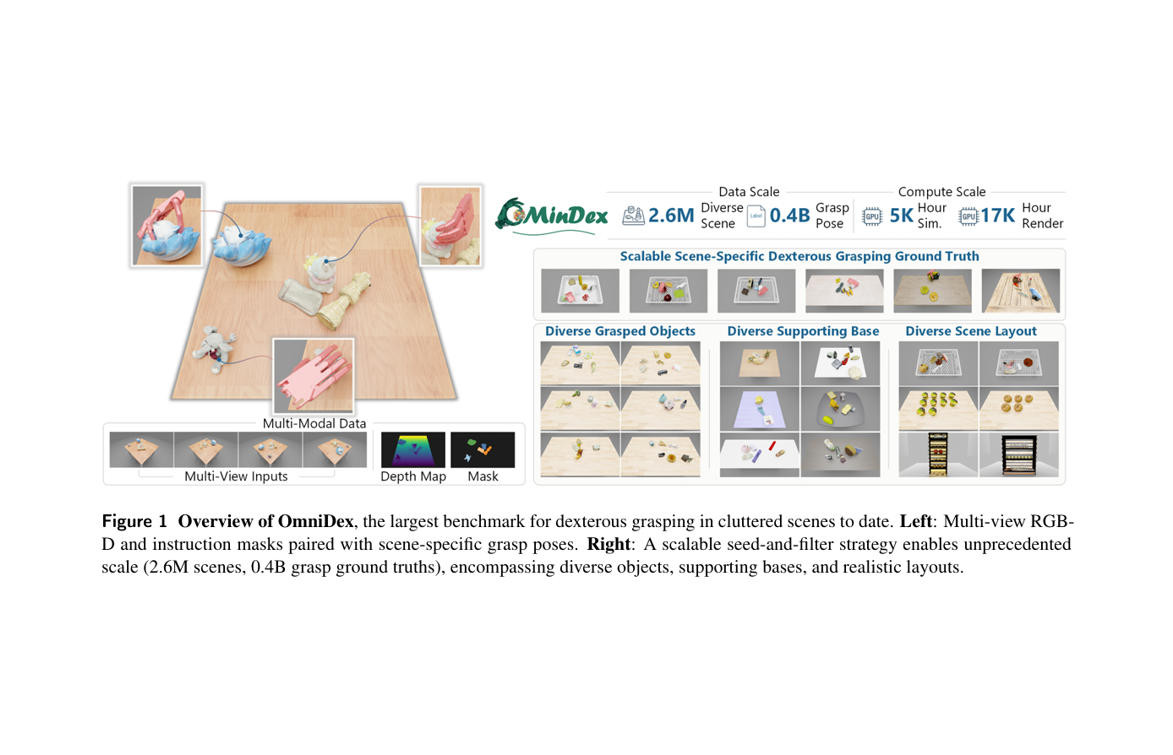
OmniDex Dataset Scales Dexterous Grasping to 2.6 Million Cluttered Scenes
A team led by Xiaogang Wang and Hongsheng Li publishes OmniDex, a dataset of 2.6 million cluttered scenes and 400 million grasp annotations for dexterous hands, using offline pre-computation and soft winner-take-all learning to enable high-precision grasping without post-inference optimization.
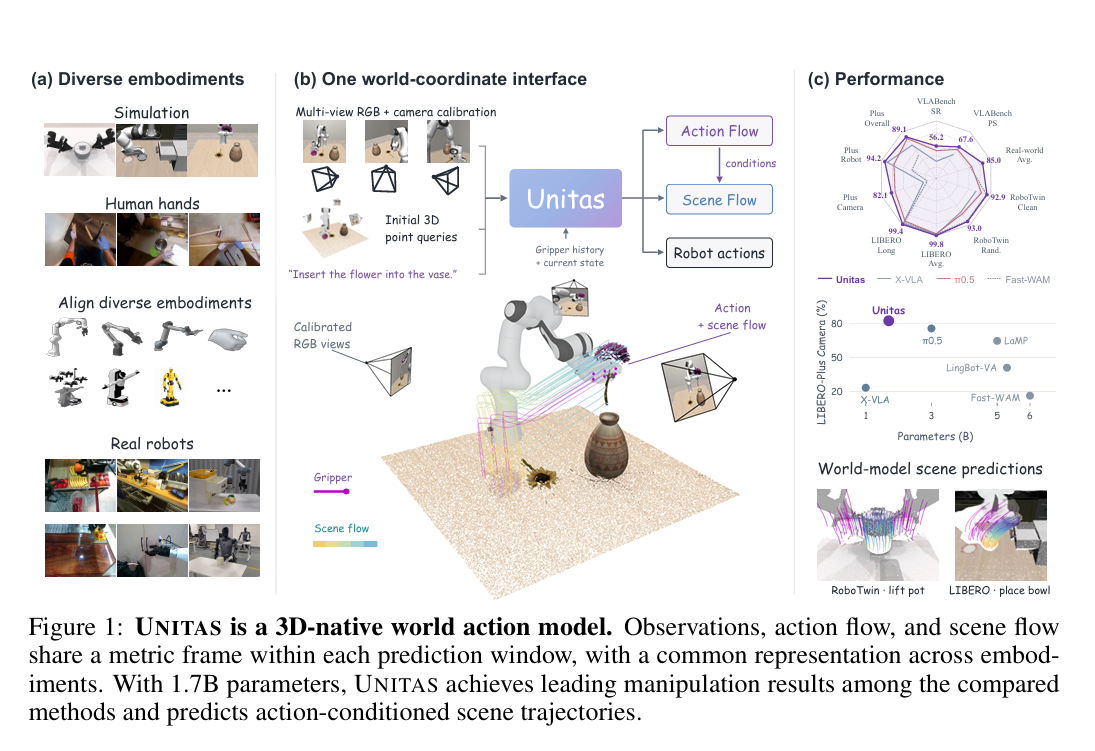
Kui Jia Team's New Work: Enabling World Action Models to Truly Understand 3D Space
A joint team led by Kui Jia has published UNITAS, a world action model that unifies observation, action, and scene changes in a shared metric 3D coordinate system. The 1.7B-parameter model achieves 99.8% task success on the LIBERO benchmark and reduces displacement prediction error by 35% compared to PointWorld.
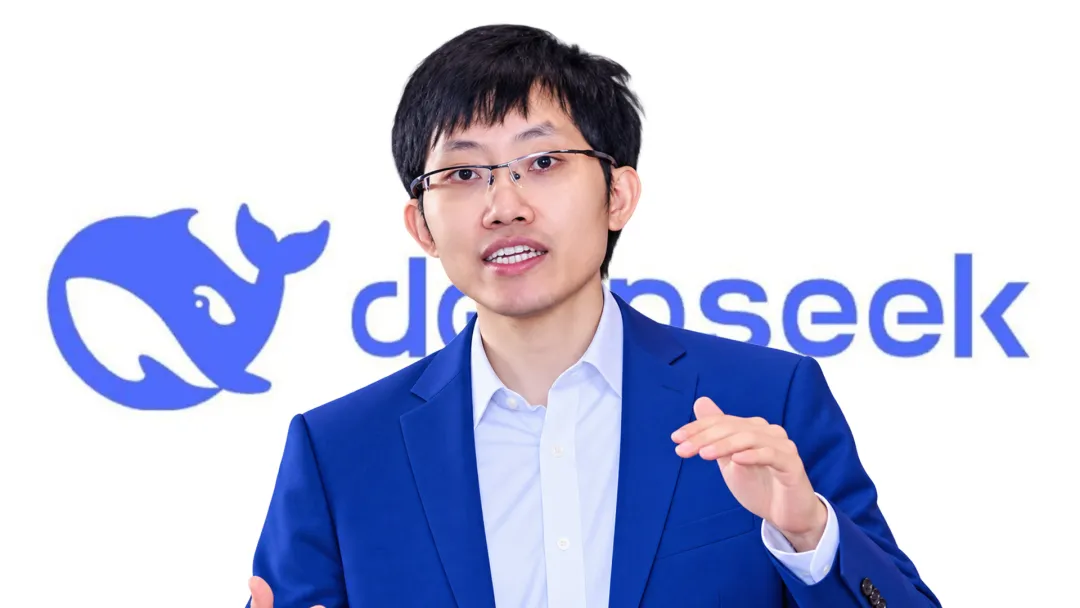
DeepSeek Reportedly Eyes Embodied AI as Chinese and U.S. Foundation-Model Firms Signal Moves
Reports indicate DeepSeek is assessing a move into embodied AI through team building or investment, with plans to lead the seed round for Winverse AI at a post-money valuation of approximately USD 400 million.
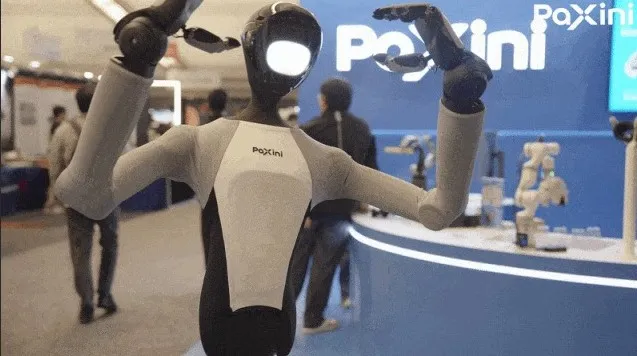
Tactile Sensor Startups Expand Beyond Hardware Into Data and Embodied AI
At IROS 2026, companies like PaXini and Sharpa unveiled full-stack solutions combining tactile sensors with dexterous hands and data platforms, signaling a shift from component suppliers to providers of embodied AI training data.

Yann LeCun’s Latest JEPA Paper: Where Does End-to-End Planning Go Next?
A new paper from Yann LeCun’s team introduces H-JEPA, a hierarchical world model that improves long-horizon planning success rates from approximately 18% to 73%. The architecture separates temporal scales to enhance stability and reduce computational costs in embodied AI tasks.
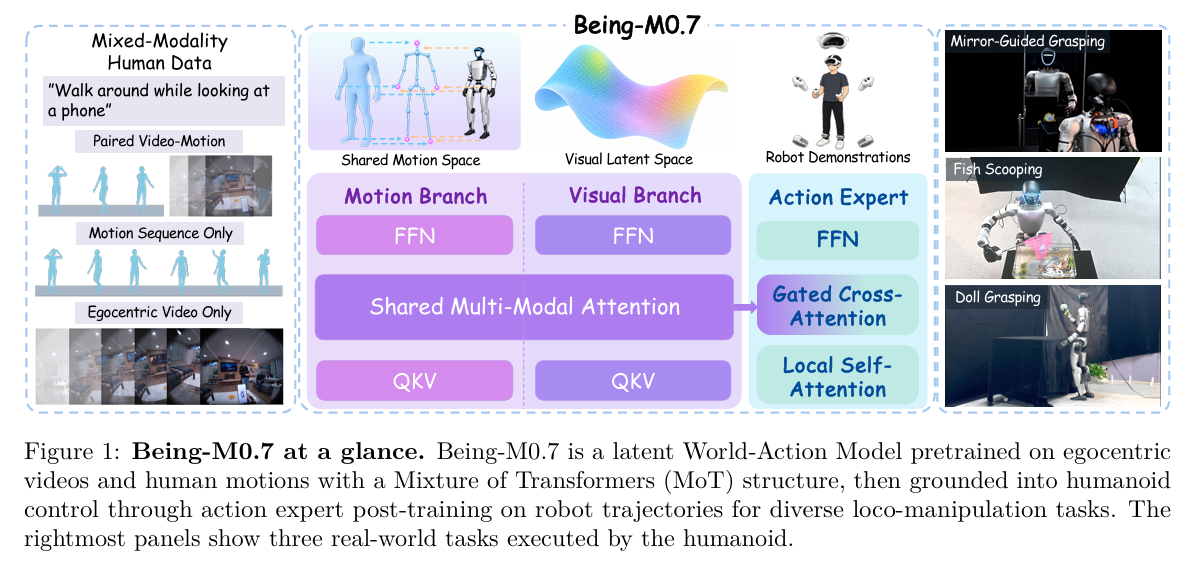
Zongqing Lu’s Team at BeingBeyond Introduces Being-M0.7 for Humanoid Whole-Body Mobile Manipulation
Being-M0.7 learns joint visual and motion priors from over 10,000 hours of human egocentric video and motion data, then adapts them to robot control. It achieved a 71.1% success rate on the SIMPLE simulation benchmark and matched the strongest baseline in real-world Unitree G1 tests.
Institute of Automation, Chinese Academy of Sciences and Amap Introduce DreamTrue, an Action-Faithful Robot World Model for Future Video Prediction
Researchers from the Institute of Automation, Chinese Academy of Sciences and Amap introduce DreamTrue, a robot world model that renders actions as visual conditions to predict both successful and failed outcomes. The method uses counterfactual post-training to address missing failure demonstrations, and the article reports interaction defect rates on AgiBot platforms falling from 48.12% to 6.25%.

CONTACT Authors on Tactile Sensing: What Robots Need for Tasks and Representations
42HOW Robotics speaks with CONTACT authors Zhiyuan Zhang and Adeesh Desai about why task-relevant physical information, rather than raw sensor data, is critical for contact-rich manipulation.