

Latest
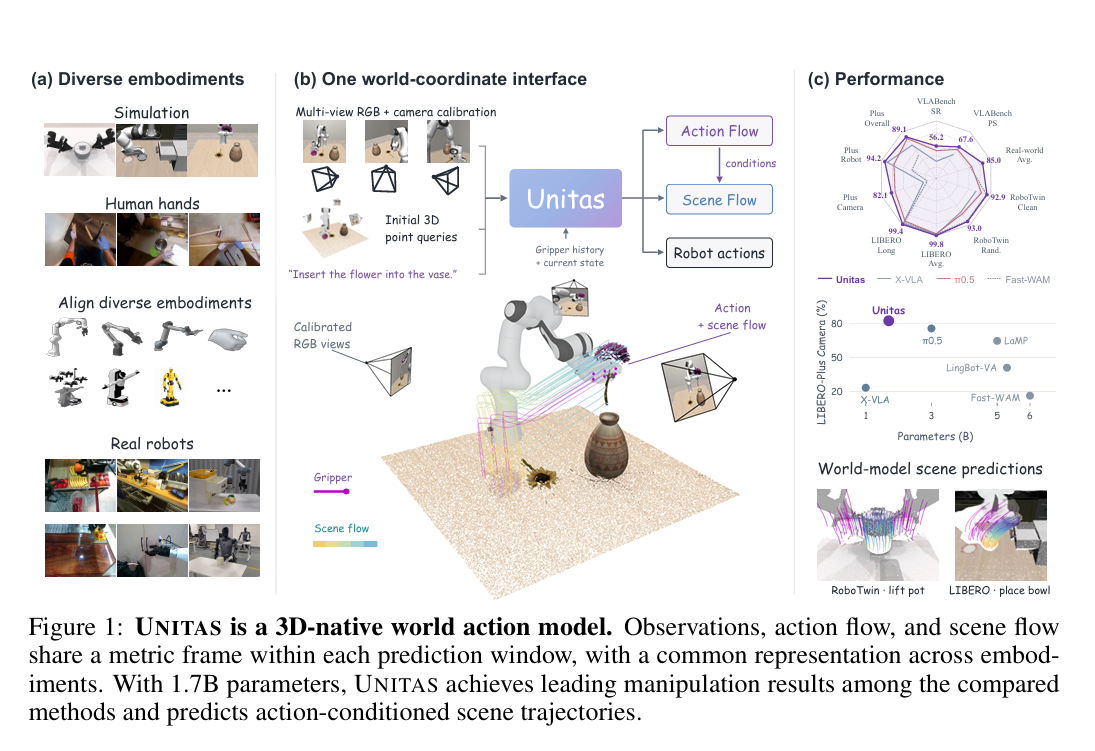
Kui Jia Team's New Work: Enabling World Action Models to Truly Understand 3D Space
A joint team led by Kui Jia has published UNITAS, a world action model that unifies observation, action, and scene changes in a shared metric 3D coordinate system. The 1.7B-parameter model achieves 99.8% task success on the LIBERO benchmark and reduces displacement prediction error by 35% compared to PointWorld.
DeepSeek Reportedly Eyes Embodied AI as Chinese and U.S. Foundation-Model Firms Signal Moves
Reports indicate DeepSeek is assessing a move into embodied AI through team building or investment, with plans to lead the seed round for Winverse AI at a post-money valuation of approximately USD 400 million.
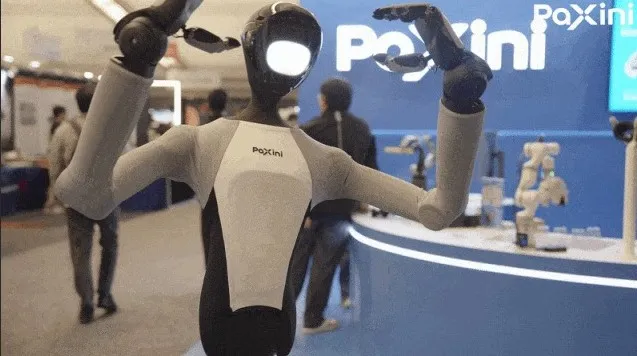
Tactile Sensor Startups Expand Beyond Hardware Into Data and Embodied AI
At IROS 2026, companies like PaXini and Sharpa unveiled full-stack solutions combining tactile sensors with dexterous hands and data platforms, signaling a shift from component suppliers to providers of embodied AI training data.

Yann LeCun’s Latest JEPA Paper: Where Does End-to-End Planning Go Next?
A new paper from Yann LeCun’s team introduces H-JEPA, a hierarchical world model that improves long-horizon planning success rates from approximately 18% to 73%. The architecture separates temporal scales to enhance stability and reduce computational costs in embodied AI tasks.
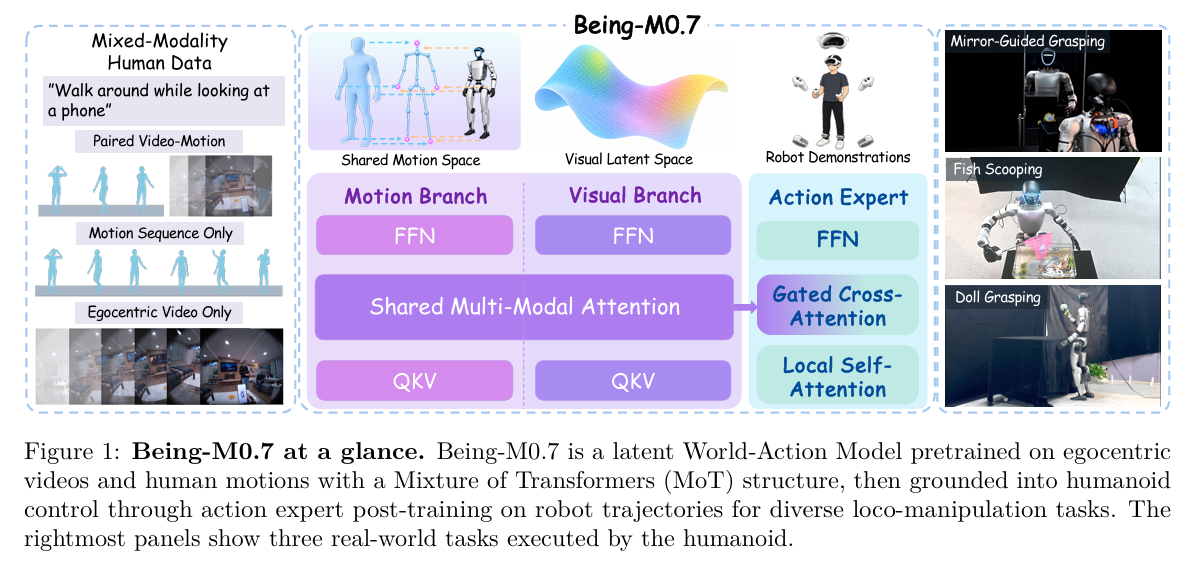
Zongqing Lu’s Team at BeingBeyond Introduces Being-M0.7 for Humanoid Whole-Body Mobile Manipulation
Being-M0.7 learns joint visual and motion priors from over 10,000 hours of human egocentric video and motion data, then adapts them to robot control. It achieved a 71.1% success rate on the SIMPLE simulation benchmark and matched the strongest baseline in real-world Unitree G1 tests.
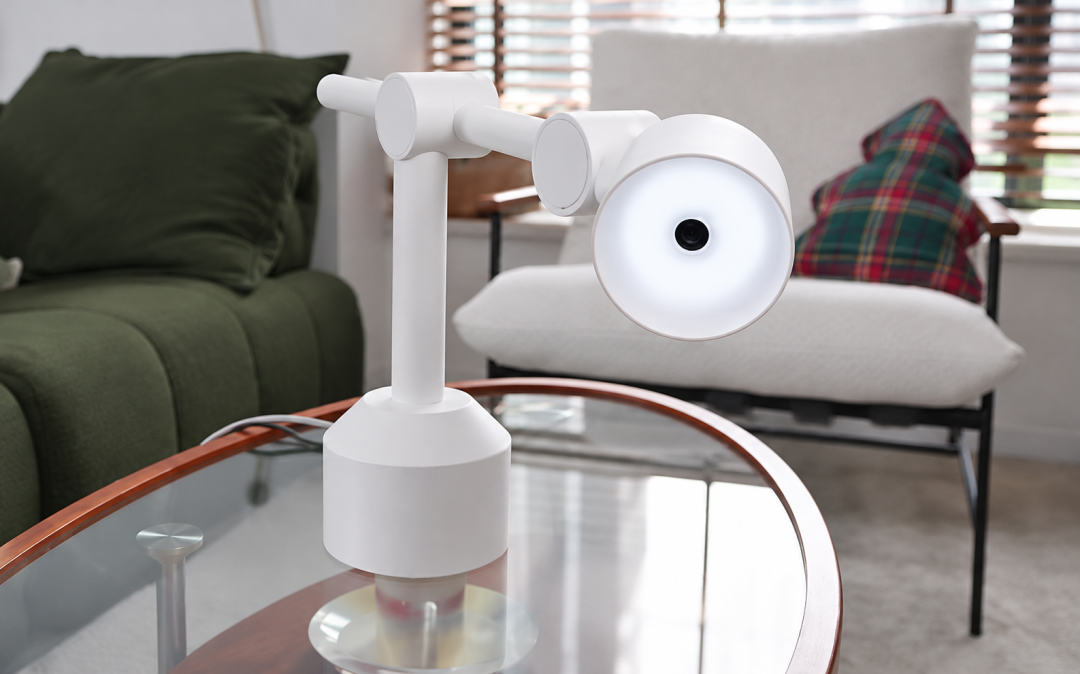
Mira Light: An Embodied AI Desk Lamp That Responds to Touch
Mira Light, an interactive desk lamp currently in early access testing, uses motion and light to respond to user touch. The team plans a December release with pricing set at RMB 1,399 domestically and USD 299 overseas.
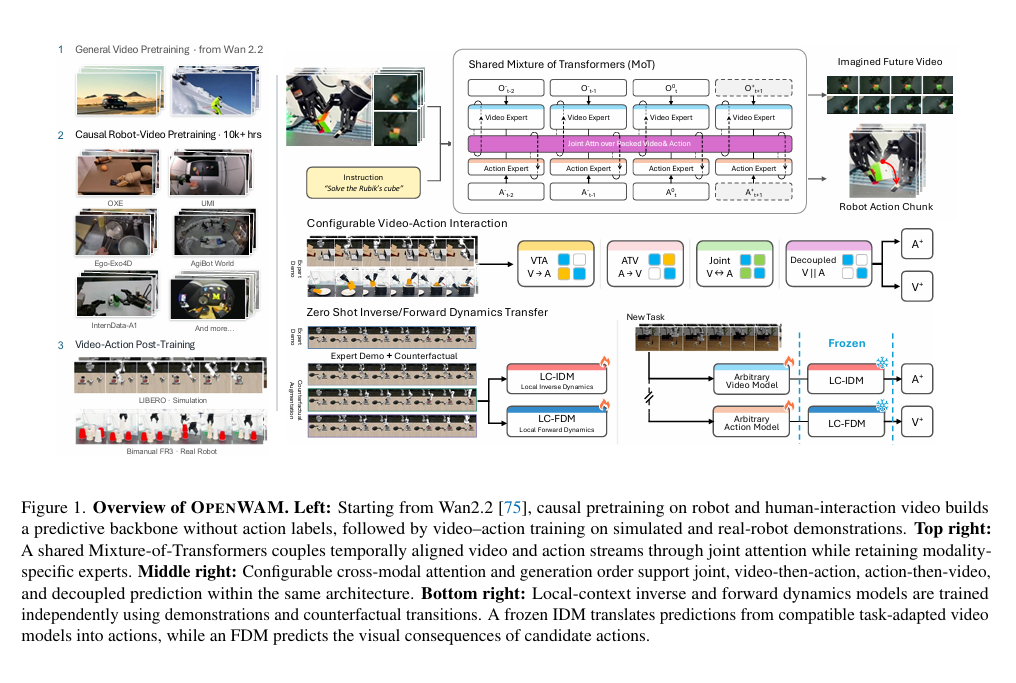
Institute of Automation, Chinese Academy of Sciences and Amap Introduce DreamTrue, an Action-Faithful Robot World Model for Future Video Prediction
Researchers from the Institute of Automation, Chinese Academy of Sciences and Amap introduce DreamTrue, a robot world model that renders actions as visual conditions to predict both successful and failed outcomes. The method uses counterfactual post-training to address missing failure demonstrations, and the article reports interaction defect rates on AgiBot platforms falling from 48.12% to 6.25%.
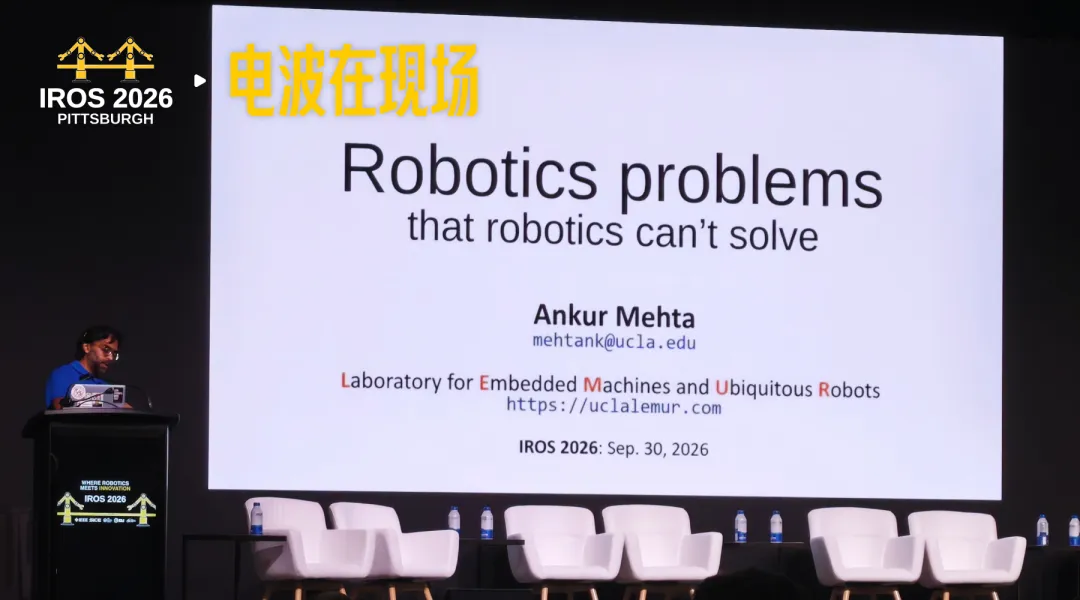
IROS 2026: UCLA's Ankur Mehta on Robotics, Public Trust, and Resource Constraints
In a keynote at the IEEE/RSJ International Conference on Intelligent Robots and Systems, Ankur Mehta highlighted how shrinking research funding, talent shortages, and public anxiety over AI and robotics are reshaping the field. He urged researchers to engage directly with communities to address concerns about equity and responsibility.

CONTACT Authors on Tactile Sensing: What Robots Need for Tasks and Representations
42HOW Robotics speaks with CONTACT authors Zhiyuan Zhang and Adeesh Desai about why task-relevant physical information, rather than raw sensor data, is critical for contact-rich manipulation.

How StageCraft Fixes VLA Failures by Adjusting the Environment, Not the Model
42HOW Robotics speaks with Prabin Rath, co-author of the IROS 2026 paper StageCraft, about how their method improves robot task success by adjusting environmental distractors rather than retraining models.

TacVLA: Activating Tactile Tokens Only Upon Contact for Robust Manipulation
In an interview at IROS 2026, co-author Heng Zhang discusses TacVLA, a contact-aware tactile fusion method that uses a gating mechanism to activate tactile tokens only during physical contact, improving VLA manipulation robustness without adding unnecessary computational overhead.
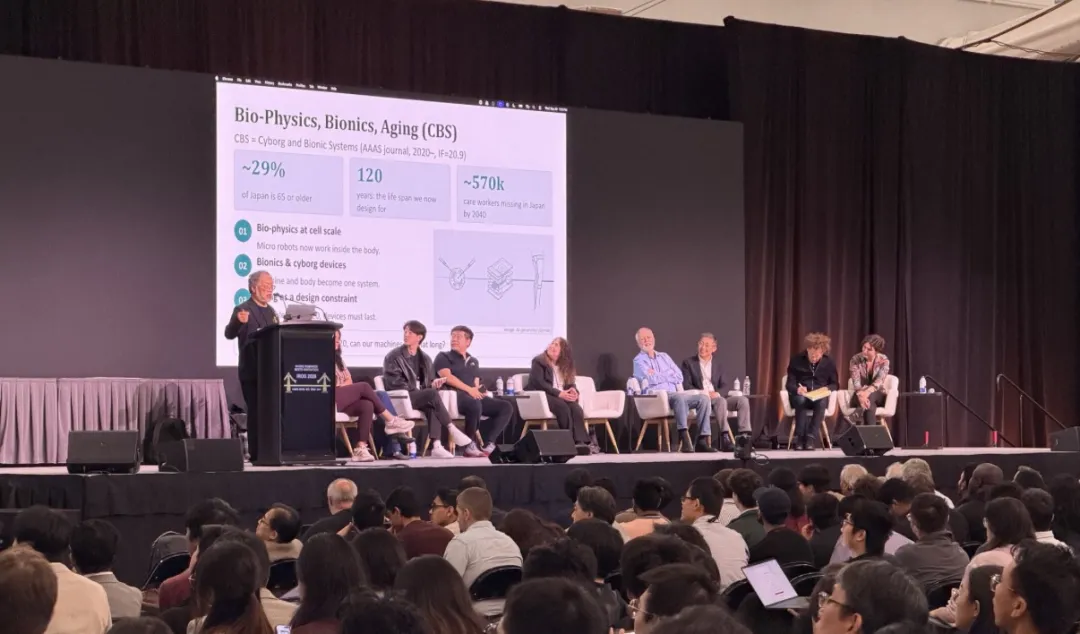
IROS 2026: Industry Veterans Prevail in Debate Over Specialized vs. Generalist Robots
At IROS 2026 in Pittsburgh, a heated debate between young researchers advocating for generalist embodied AI and veteran engineers favoring specialized systems revealed that while specialists currently hold industry preference, both sides converge on a hybrid architecture where generalist models manage complex inference and specialists handle routine execution.