

Latest

Maxinsights Raises $30 Million Seed Round Led by Peak XV to Scale Robot Training Data
On October 22, Santa Clara-based Maxinsights closed a $30 million seed round led by Peak XV, with participation from Tola Capital, South Park Commons, Yince Capital, and Alumni Ventures, to scale its pipeline of real-world human demonstration data for robot training.
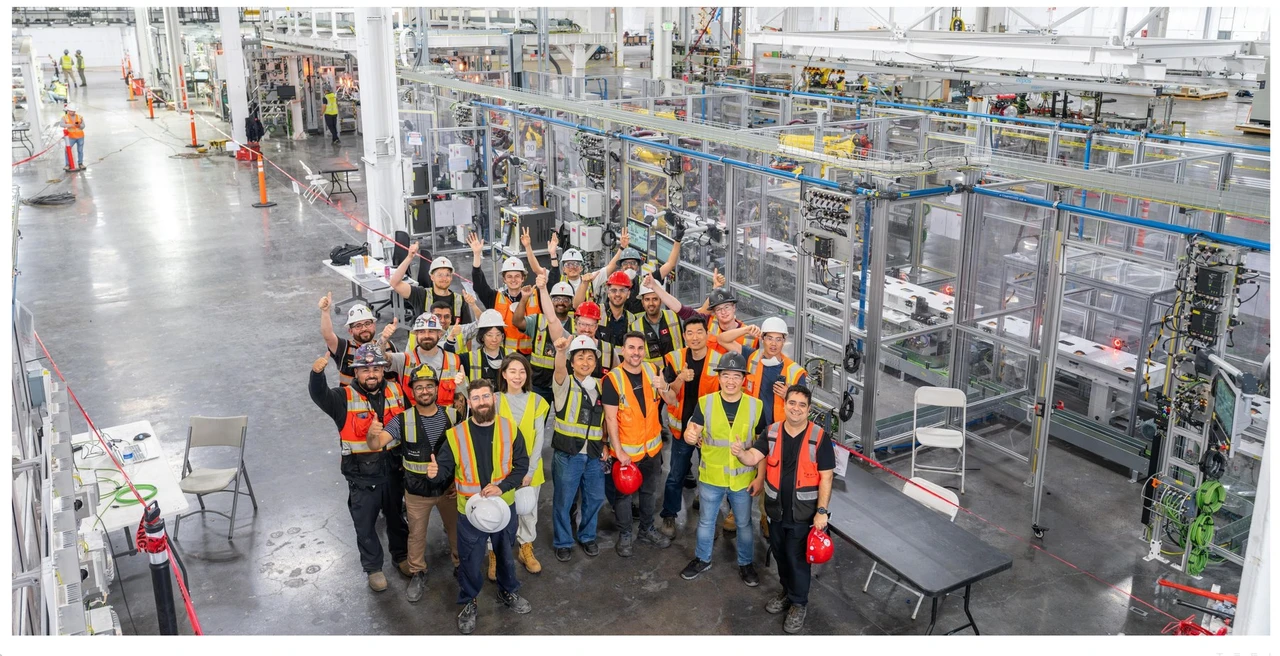
Tesla Begins Optimus Production; Musk Says Reaching 20,000 Units a Week Will Take at Least a Year
Tesla's third-quarter 2026 shareholder letter confirms Optimus has entered early high-volume production at the Fremont factory, marking the first units to meet mass-production quality standards, though the company notes that hardware and manufacturing processes will continue to iterate as it approaches commercial readiness.

Hands-On With OPPO's Xinliqiu AI Wearable: Building a Proactive Personal Agent From Always-On Audio
The OPPO Xinliqiu, identified in the companion app as the OPPO AI Pin, is a minimalist 9.8-gram always-on audio wearable. We tested its real-world context capture and integrated it with third-party tools via the Model Context Protocol (MCP) to build a proactive personal agent, evaluating its utility and hardware limitations.
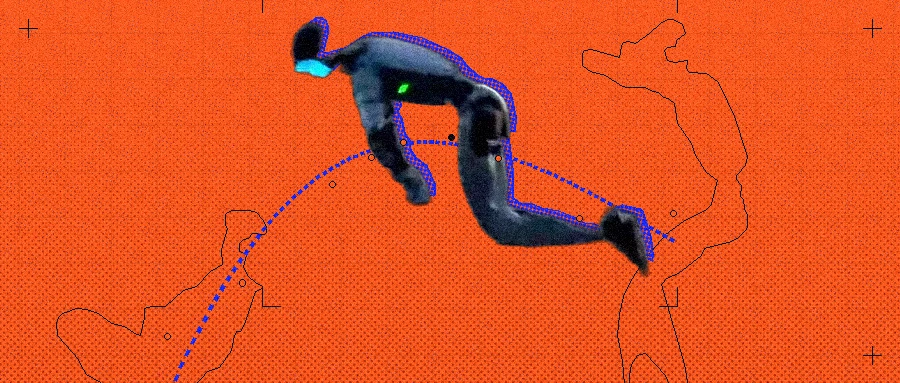
UC Berkeley's SuperMimic Slashes Compute for Humanoid Whole-Body Control
Accepted as an oral paper at CoRL 2026, the SuperMimic framework uses a differentiable world model to train humanoid whole-body control on a single GPU in three hours, outperforming previous methods that required massive GPU clusters.
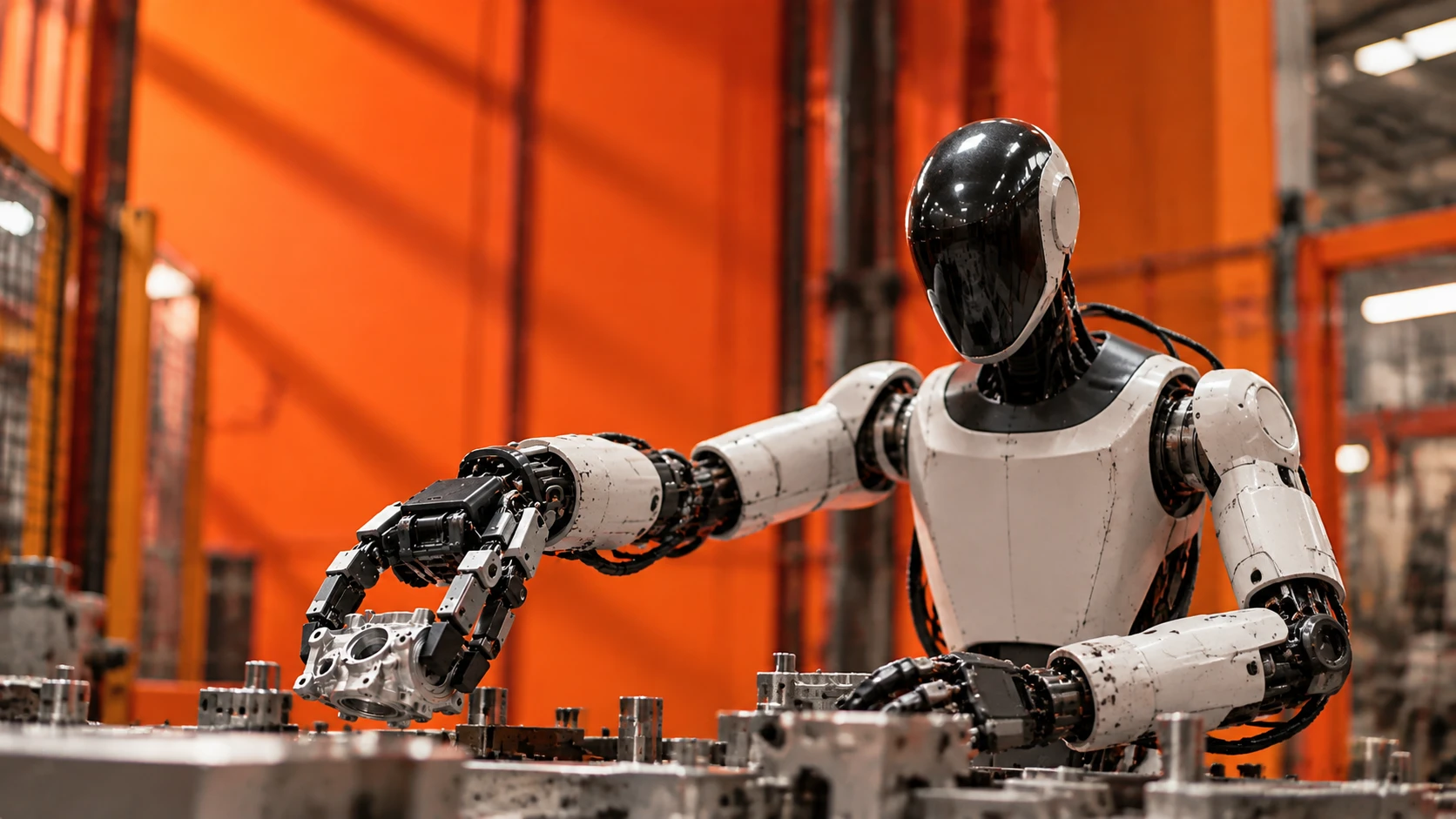
Beyond the Hardware Sale: Can Robot Integrators Turn a Profit?
While robot manufacturers focus on hardware sales, system integrators are tasked with making these machines actually work on the factory floor. However, turning a profit from this secondary development is proving difficult, with a single palletizing project requiring over RMB 1 million in combined hardware and software investment.
 1:52
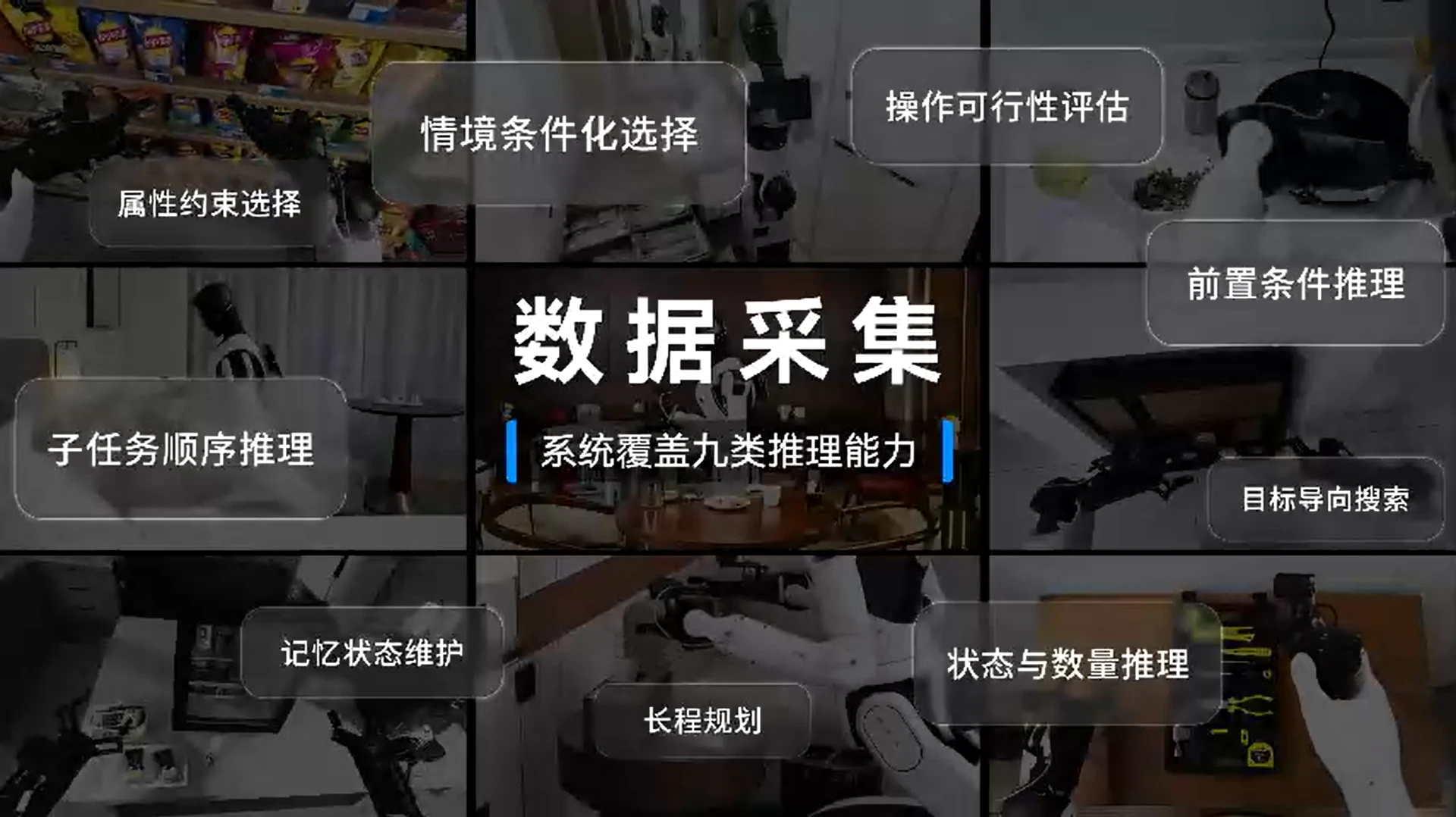
AgiBot Open-Sources AGIBOT WORLD 2026 Embodied Reasoning Dataset Covering Nine Scenarios
On October 22, AgiBot open-sourced the fourth installment of the AGIBOT WORLD 2026 dataset, focusing on embodied reasoning as the first release in its AI WAVE series. The dataset covers nine logical reasoning scenarios and provides both high-level question answering and low-level action trajectories, enabling robots to make decisions and execute operations based on task goals, environmental conditions, and execution history.
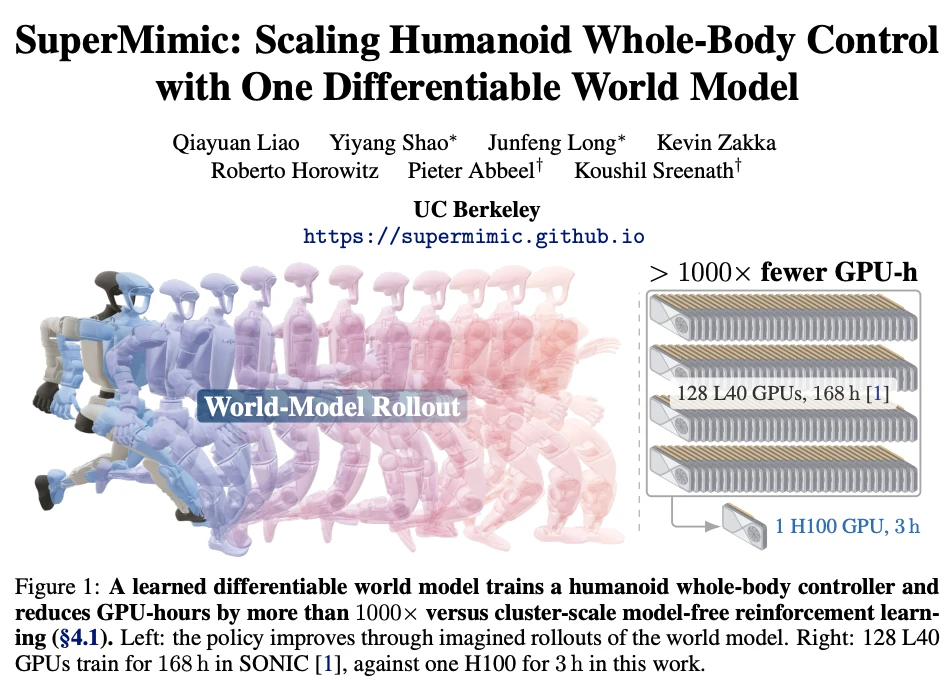
UC Berkeley's SuperMimic Trains Humanoid Whole-Body Control on a Single GPU in 3 Hours, Surpassing 128-GPU Baseline
A UC Berkeley team introduced SuperMimic, a framework that uses a single differentiable world model to scale humanoid whole-body control. The approach trains on a single NVIDIA H100 GPU in 3 hours to outperform the SONIC baseline, which required 128 NVIDIA L40 GPUs over 7 days, reducing GPU-hour costs by more than 1,000 times.
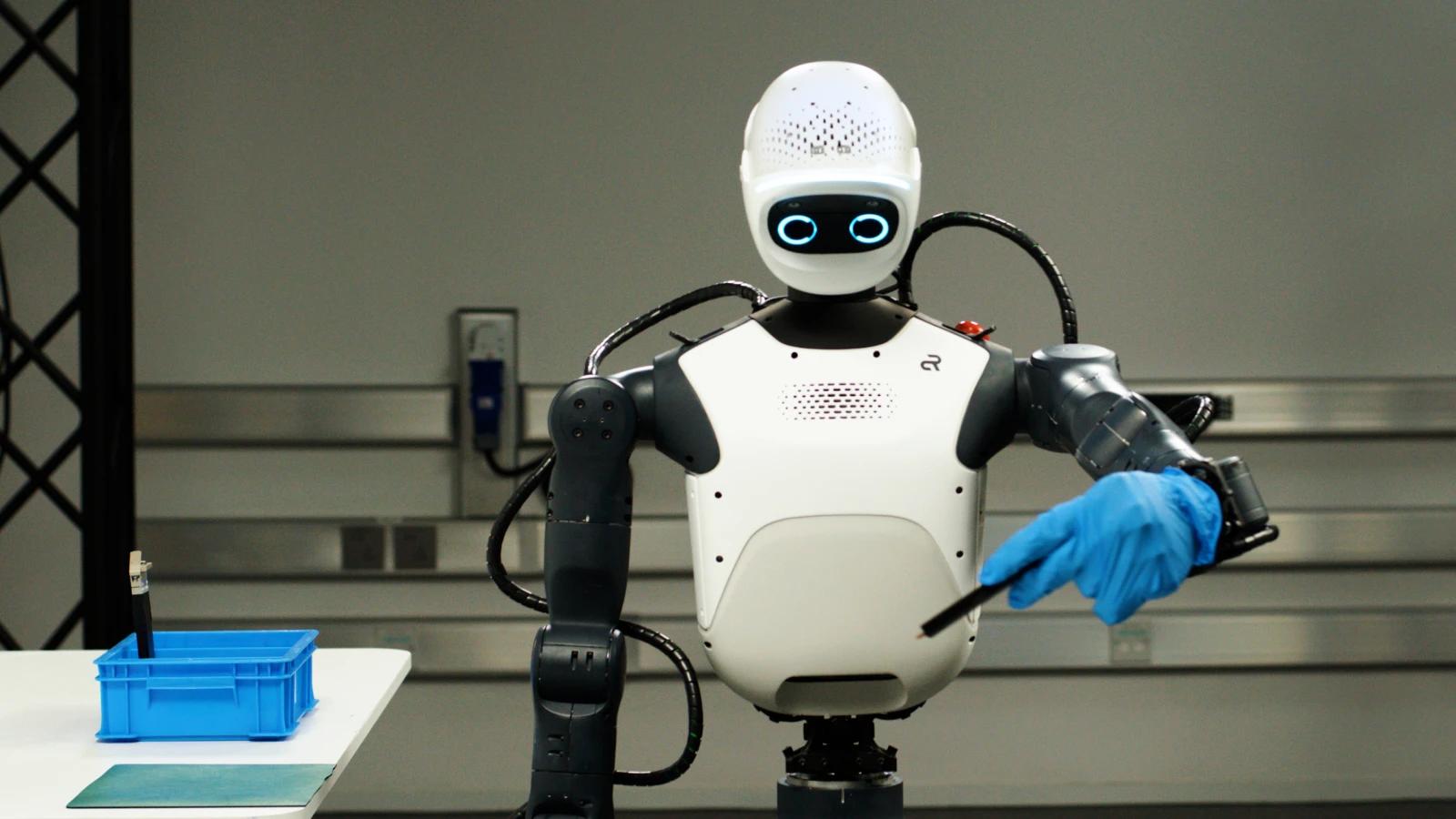
Agile Robots and NVIDIA Launch Agile ONE SN Reference Humanoid for Research Labs
On October 21, NVIDIA expanded its Isaac open robot development platform at GTC Berlin, while Munich-based Agile Robots and NVIDIA simultaneously introduced the Agile ONE SN, a ready-to-use reference humanoid robot targeting academic research.
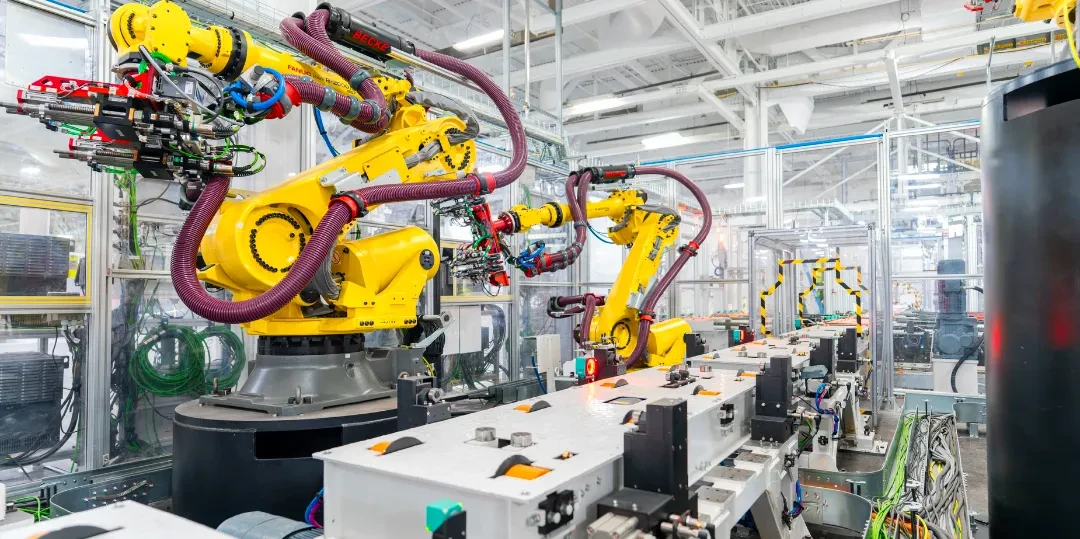
Tesla Confirms Optimus Production and Early Ramp in Q3 Earnings
In its third-quarter 2026 earnings report released on October 21, Tesla confirmed that the first production-quality Optimus humanoid robots have rolled off the line at its Fremont factory, marking the start of an early ramp for the California project.
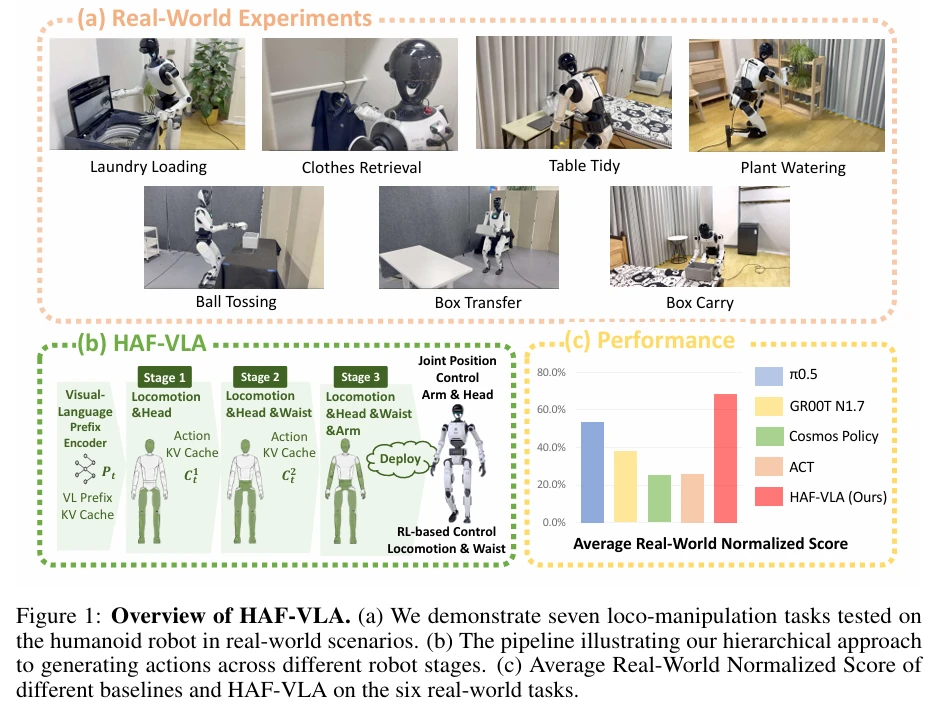
HAF-VLA Enables Hierarchical Generation of Coordinated Full-Body Actions in Humanoid Robots
A joint team from Peking University, Tsinghua University, and other institutions has proposed HAF-VLA, a hierarchical framework that enables humanoid robots to generate coordinated full-body actions by sequentially planning movements along the kinematic chain to avoid compensatory instability.
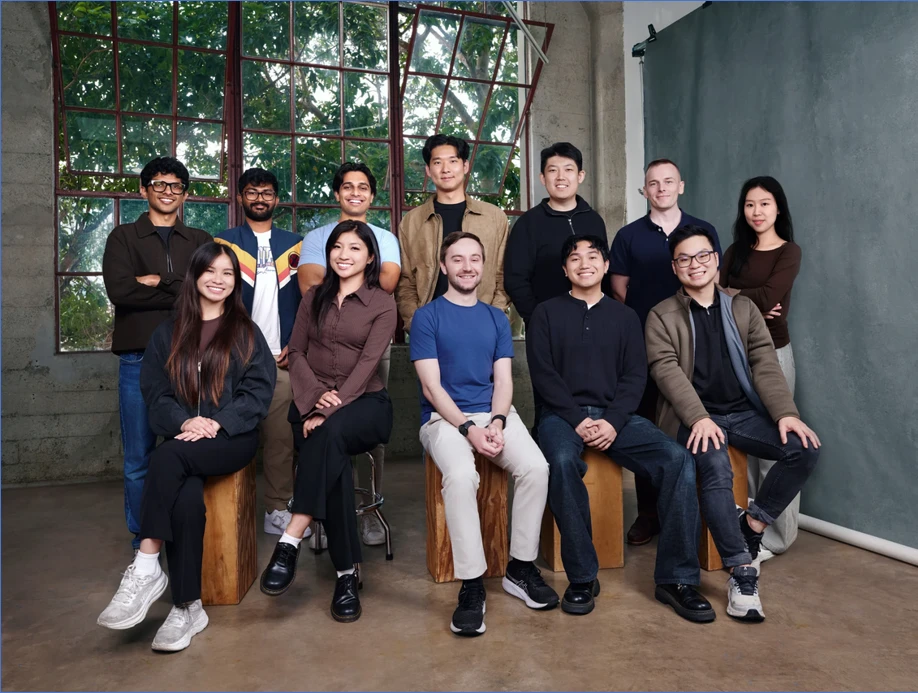
Dream Labs Raises USD 90 Million in Seed Funding, Debuts Robot Foundation Model Dream-1
On October 19, robotics AI startup Dream Labs announced the close of a USD 90 million seed round alongside the launch of its robot foundation model, Dream-1, and a public API.
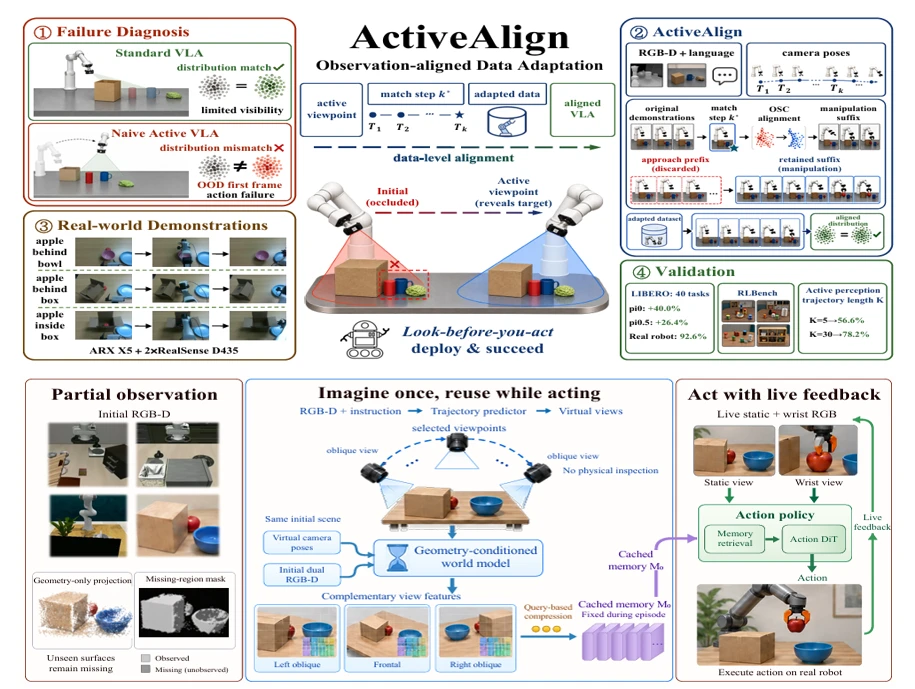
Fudan Team Bridges Active Perception and Vision-Language-Action Models to Overcome Viewpoint Shifts
Two papers from Fudan University introduce ActiveAlign and AWAM, which align training data and representations with active camera movements to prevent distribution shifts in vision-language-action models when robots adjust their viewpoints to overcome occlusions.